
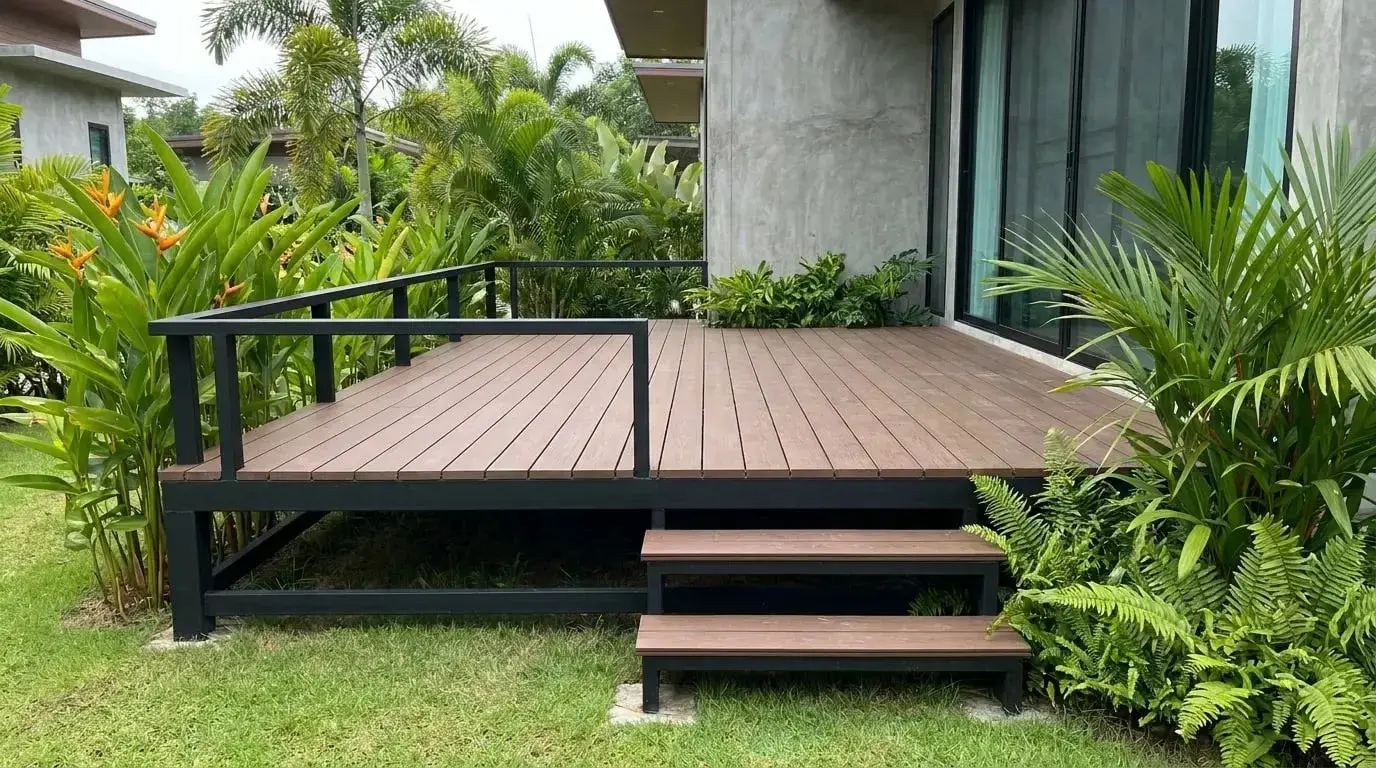
Timber decks have a hard life in Krabi. Between the rain, the humidity and the termites, a hardwood deck can look tired within a few seasons. That is why most decks we build here use wood-look boards that cannot rot or be eaten: fibre-cement boards (often sold locally as "smartboard") or wood-plastic composite (WPC), fixed to a steel frame.
The boards are the part you see, but the frame is what decides whether the deck lasts. The joists (the steel members the boards sit on) have to be level, spaced correctly for the board you choose, and standing on footings that won't sink. The usual shortcut is to space the joists further apart to save steel. The result is a deck that flexes, squeaks, or cracks along the screw lines.
When Rong comes to look, he checks whether the ground is firm or recently filled, where water sits in the rainy season, how high the deck needs to be to stay clear of it, whether it will be under a roof or out in full sun and rain, and what heavy things will go on it: planters, a hot tub, outdoor furniture.
Around a pool or close to the sea, the steel frame sits in damp, salty air where you can't see it once the boards are down. That frame needs better rust protection than one under a covered terrace inland, and it is worth spending on.
Decks are usually built alongside other work, such as an awning, a carport or a rear extension, because it is easier to keep levels and lines consistent and to control the budget. To get started, send wide photos of the area, the existing ground or floor, rough measurements and a location pin on LINE.
- Jobs start from
- 10,000 THB
- Team experience
- 30+ years
- Site survey
- Free
- Steel grade
- Your choice
Designs and options
Pool surrounds and garden decks
The most common request from villa owners. Some wood-look surfaces get slippery when wet, so the board texture matters. We leave room for water to drain under the deck and give the frame near the pool heavier rust protection than elsewhere.
Front terraces and raised verandas
A raised seating area at the front of the house. Paired with an awning, it is usable in both sun and rain, and the board finish lasts noticeably longer than on an uncovered deck.
Raised walkways round the house or garden
Keeps you out of the mud in the rainy season. Handrails can be added for older family members or guests. If the walkway crosses a natural path for rainwater, we leave a gap underneath so the water can still flow.
Floors for rear extensions
Fine for a sitting area. For a laundry or anywhere that gets wet every day, Rong will usually suggest concrete or tiles instead, because boards that are soaked over and over need repainting often.
Materials: the honest pros and cons
Fibre-cement wood-look boards ("smartboard")
Good near the seaPros
- Won't rot, won't rust and termites can't eat them
- Cheaper than real timber and most composite boards
- Can be repainted to change the colour
Worth knowing
- Needs repainting from time to time
- Can crack if the joists are too far apart or something heavy is dropped on it
The board itself handles salt air well, but the steel frame and screws underneath still need proper rust protection, because you can't see them once the deck is laid.
Wood-plastic composite (WPC)
Good near the seaPros
- No painting needed, and it looks more like real wood
- Won't rot and termites leave it alone
Worth knowing
- Costs more than fibre-cement boards
- Some types get hot underfoot in strong sun and expand in the heat
A good choice if you never want to paint and the budget allows. Just be aware that an uncovered deck can be too hot for bare feet in the afternoon.
Painted box-section steel joists
Near the sea: depends on specPros
- Strong and easy to get level
- Nothing for termites to eat
Worth knowing
- Close to damp ground, so rust protection has to be done thoroughly
- Hard to inspect once the boards are down
You can choose the steel size and rust-protection system. Rong explains the trade-offs first and writes your choice into the quotation. For joists close to damp ground, pick a system that copes well with moisture.
Real timber
Not recommended near the seaPros
- Natural look
Worth knowing
- Needs treating often
- At risk of termites and rot in damp spots
We don't recommend real timber for outdoor decks in Krabi's wet, humid climate unless you are prepared to keep up the maintenance.
How the price is worked out
Work starts from 10,000 THB, but there is no fixed price and we can't quote a real figure in advance. It depends on the site, the deck height, the ground, whether new footings are needed, and steel and material prices at the time, which change constantly. Rong does a free site survey first, then prices the job in a written, itemised quotation based on material prices at that time. Remote or boat-access locations such as Ko Lanta and Ko Phi Phi carry a travel fee, which is shown in the quotation before you agree to anything.
There is no fixed price. It depends on your site and on steel and material prices at the time. The site survey is free.
Included
- Site survey: levels, ground condition and where water collects
- Written, itemised quotation
- Steel joist frame with anti-rust paint
- Laying the boards and screwing them at the correct spacing
- Clearing away offcuts and waste when the job is finished
Not included
- Materials, if you choose a labour-only contract
- Repainting the boards after handover
- Filling ground or pouring new concrete footings, unless listed in the quotation
- Drainage under the deck, unless listed in the quotation
How a job with us runs
- 1
Send photos on LINE
Photos plus a location pin. Rong tells you early if the idea is realistic.
- 2
Free site survey
He checks the walls, the ground and where the rain will go — the things photos can’t show.
- 3
Written, itemised quote
Full contract (labour + materials) or labour-only. Nothing hidden in a lump sum.
- 4
30% deposit, then work starts
Only once you have agreed the design and price. Payment is by cash bill, no VAT invoice.
- 5
Walk-through before handover
We check every point with you. 1-year warranty under the conditions in the quote.
How long it takes
If the deck is part of a larger extension, the time is included in that job. On its own, it depends on the area, the height and how much groundwork is needed; new concrete footings need time to cure before the frame goes on. Rong gives a timeline after the survey and it goes in the quote.
1-year warranty: what it covers
One year, under the site-specific conditions written into your quotation.
Covered
- Deck level and board fixings, where the fault is in our workmanship
- 1-year warranty under the site-specific conditions written in your quotation
Not covered
- Boards cracked by heavy objects being dropped on them
- Anything the quotation does not list as covered by the warranty
Composite Decking on Steel Frames: questions we get asked
Will the deck feel bouncy or squeak?
Not if the frame is level and the joists are spaced for the board thickness. Bounce and squeaks almost always come from joists set too far apart or loose screws. We follow the board maker's spacing, and when you compare quotes it is worth asking every contractor how far apart their joists are, because that is where cheap quotes usually save money.
Should I choose fibre-cement boards or composite (WPC)?
Fibre-cement boards cost less and handle the climate well, but they need repainting from time to time. Composite needs no painting and looks more like wood, but costs more and can get hot in full sun. Under a roof, fibre-cement is often the sensible choice; for an uncovered area where you never want to paint, composite may be worth the extra.
Can you lay decking over an existing concrete patio?
Sometimes. But if water sits on or runs across that slab in the rainy season, the trapped moisture will rust the frame quickly and out of sight. In that case Rong will suggest raising the frame or sorting out the drainage first, rather than simply laying on top.
Is decking slippery around a pool?
Most wood-look boards aren't very slippery when clean, but algae and dirt make them slippery, especially in shady spots that stay damp. Choose a textured board for pool areas, wash the deck regularly, and consider a handrail at steps if older people or children use the pool.
I rent my villa. Can I still have a deck built?
Yes, if your landlord agrees in writing before work starts. A deck involves footings and a fixed frame, so it isn't something you can take with you. It often helps to have the landlord or property manager join the site visit so everyone agrees on what is being built.
Do you build decks on their own, without other work?
Send photos on LINE and ask. Most of our decks are built together with awnings, carports or rear extensions, but Rong can look at the photos and tell you straight away whether a stand-alone deck makes sense.
Read this before you build
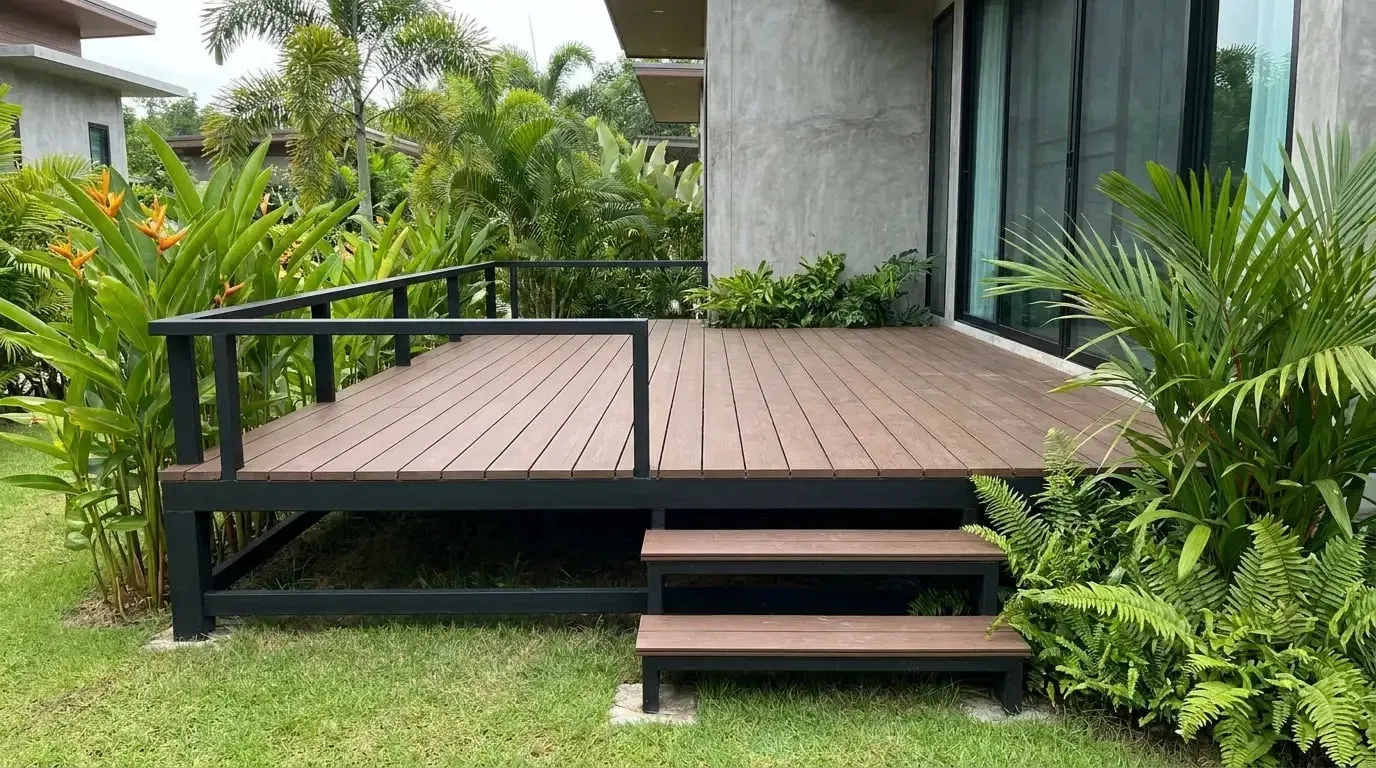 Shade for Villa Terraces and Pool Decks in KrabiShade options for villa terraces and pool decks in Krabi: cantilever canopies, batten pergolas, salas and composite decking on steel, in heat and salt air.
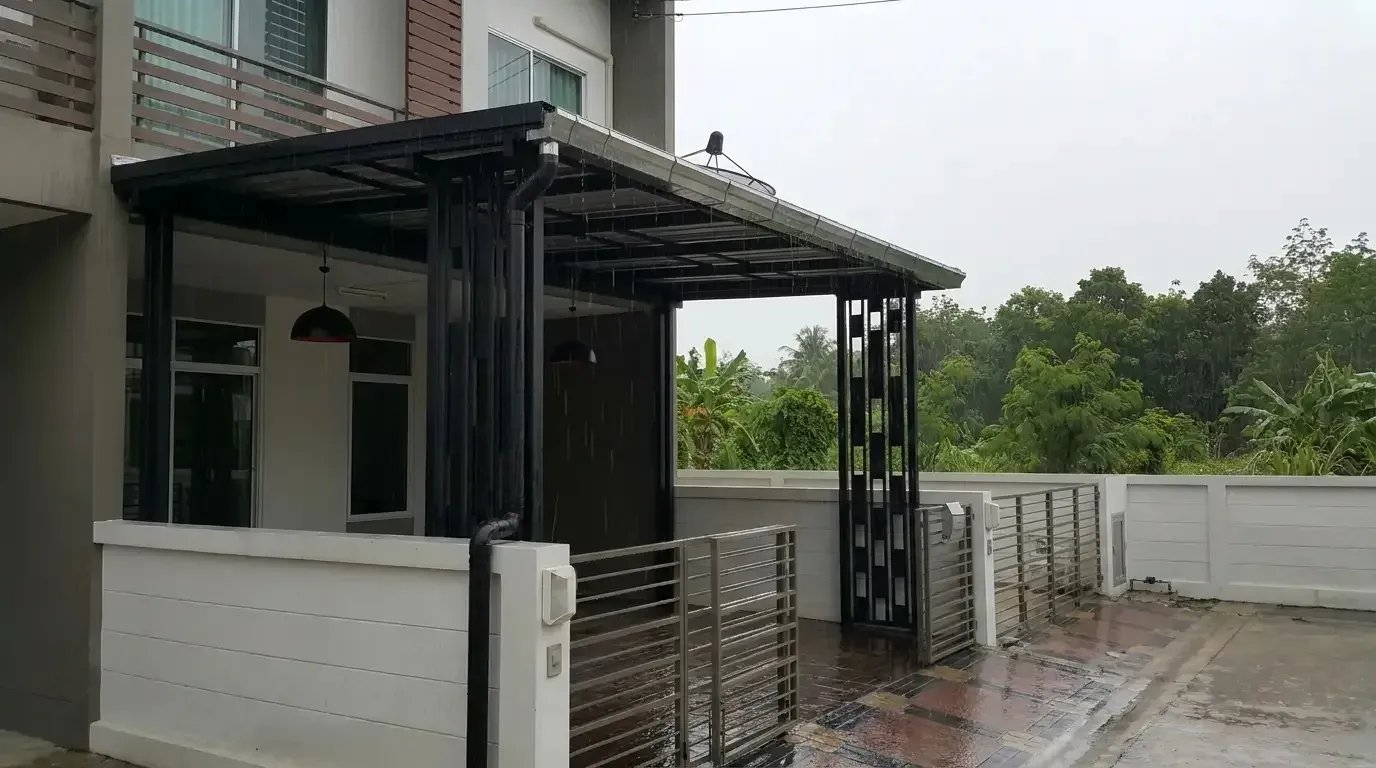 Roof Extensions That Survive Krabi's Rainy SeasonHow to build a roof extension that copes with Krabi's rainy season: roof slope, gutter sizing, flashing against the old house and when to schedule work.
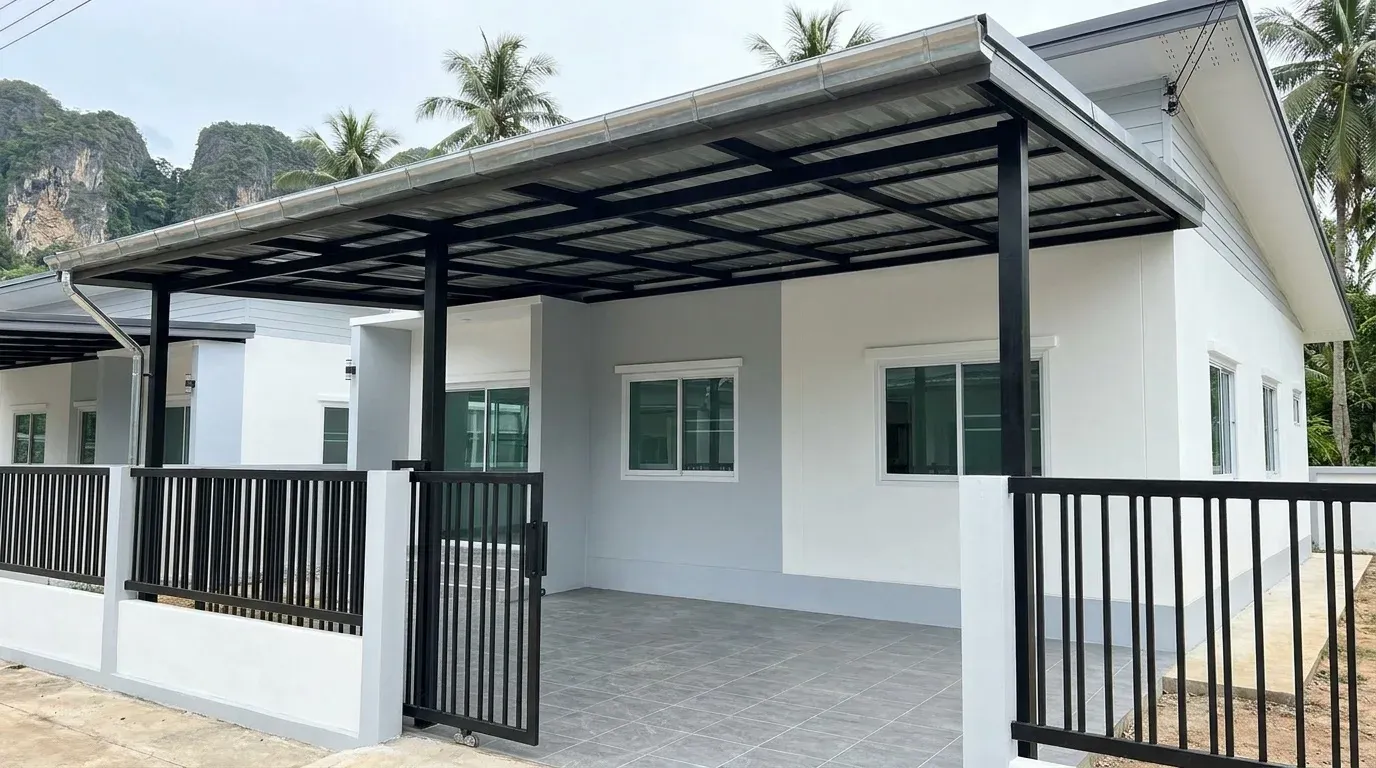 Stopping Rust on Steel Near the Sea in Ao Nang, Klong Muang and Ko LantaWhy steel rusts fast in Ao Nang, Klong Muang and Ko Lanta, and how to choose steel, coatings and details that stop it. Plus a simple maintenance routine.
Related services
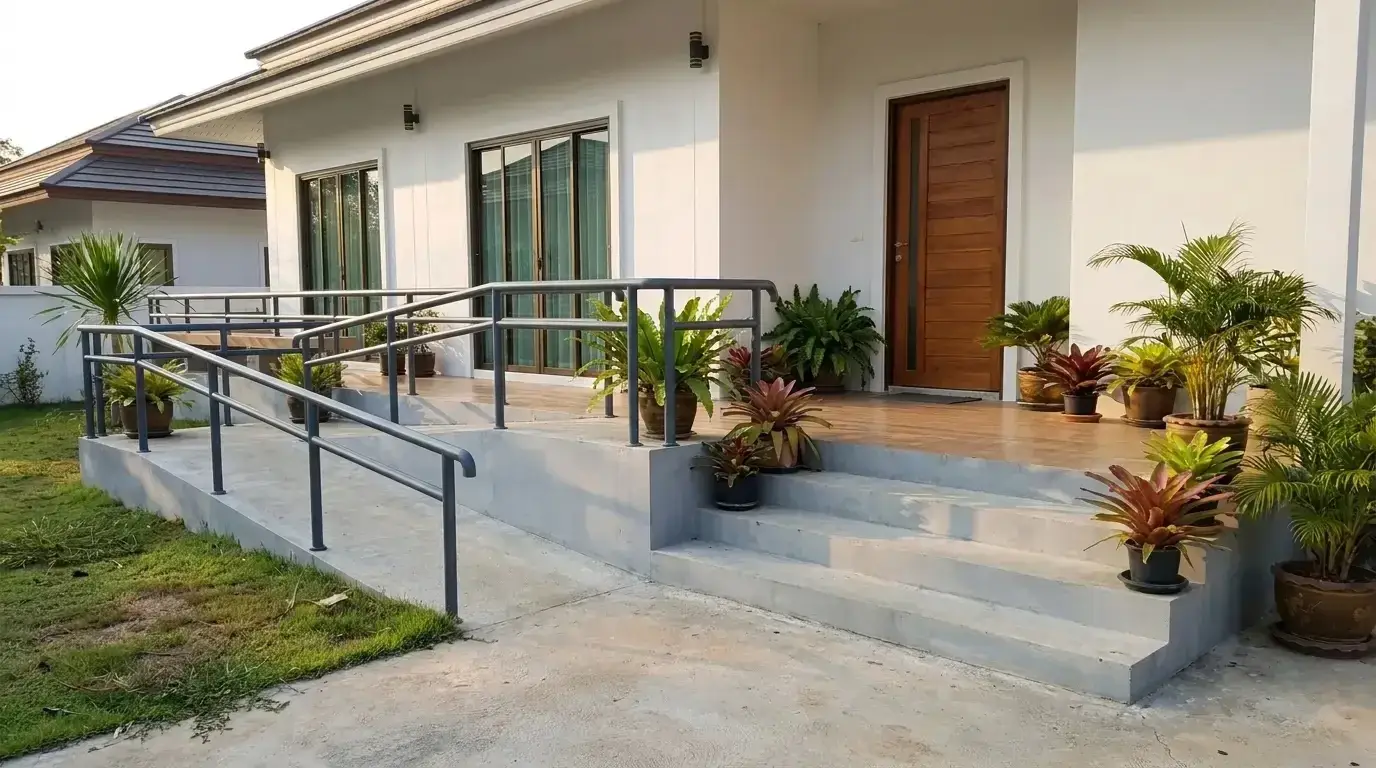 Handrails & Safety RailsSteel grab rails, stair rails and balcony safety rails for elderly parents, young children and wet paths. Short runs welcome.
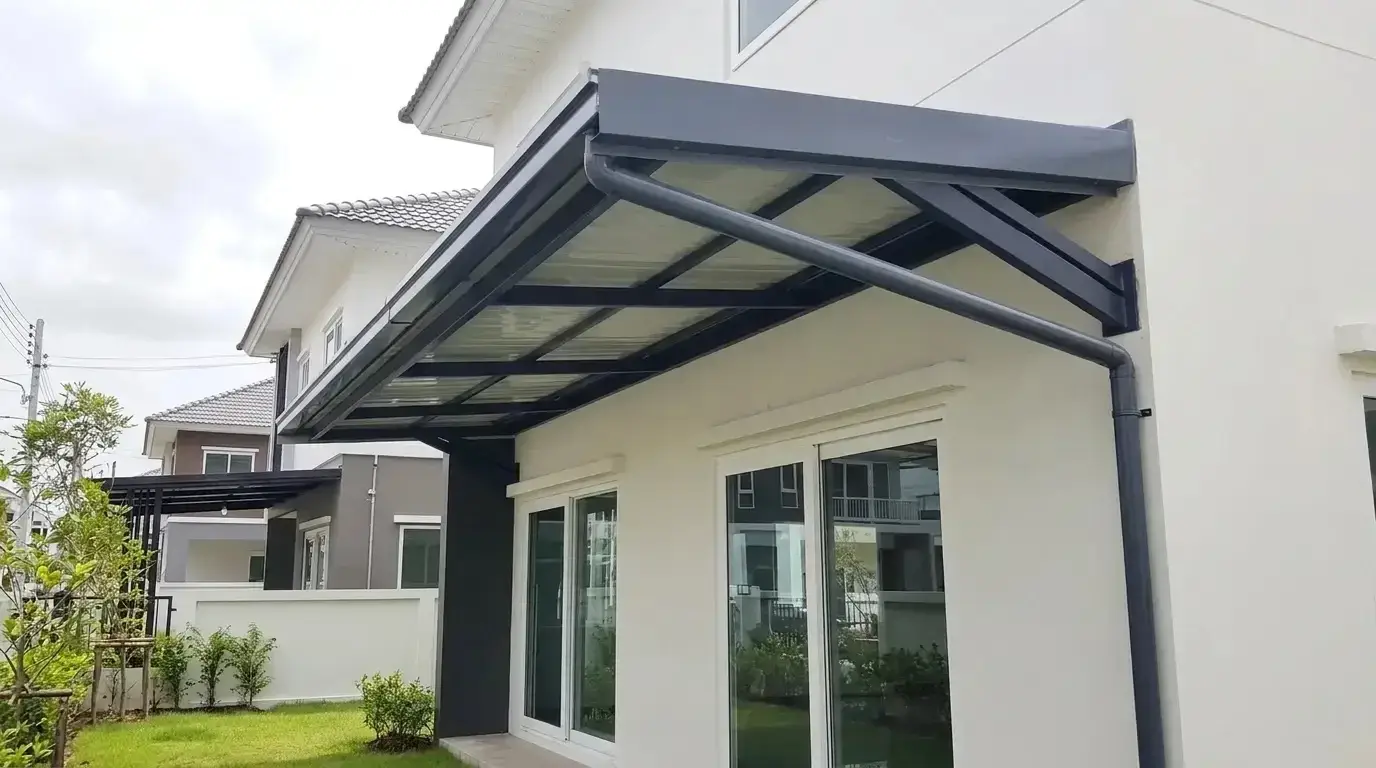 Awnings & Lean-to RoofsSteel-frame awnings and lean-to roofs over windows, doors and patios, built with the wall joint and drainage done properly.
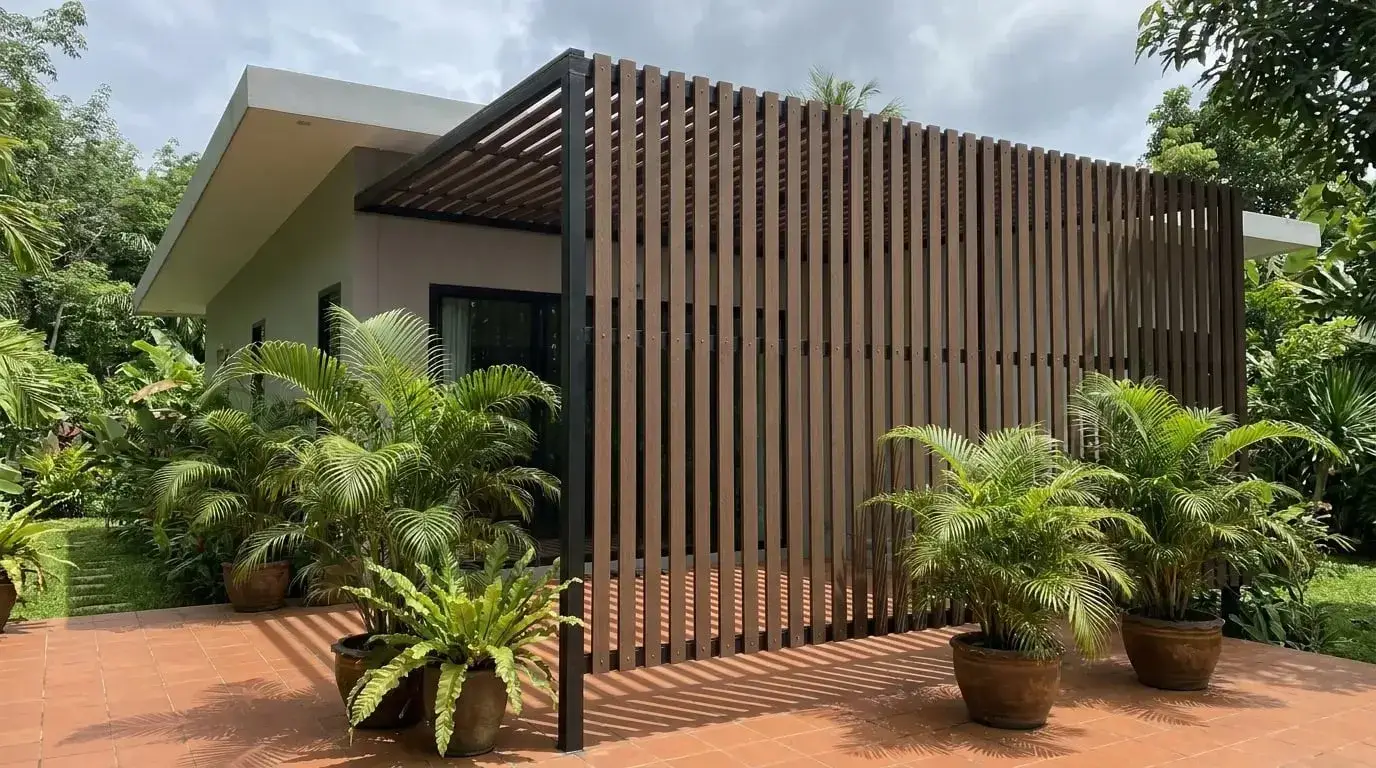 Batten Screens & Privacy WallsSlatted privacy screens on steel frames, usually built alongside a carport, outdoor kitchen or fence so the frame blends in.
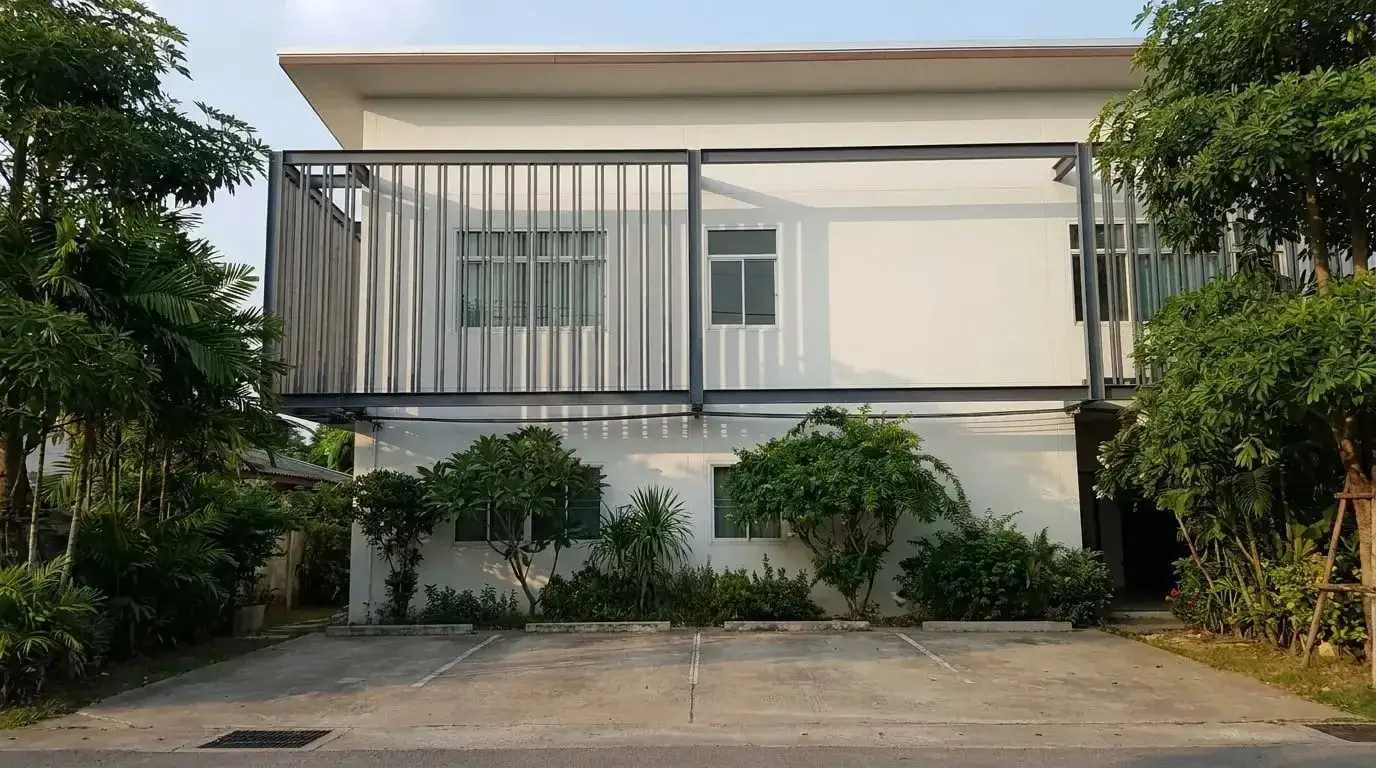 Facade Sun-Shading ScreensSteel louvres, perforated panels and fins that cut afternoon sun and add privacy, designed around sun direction and wind.